How to Run a Branding Workshop That Builds Alignment
Learn how to run a branding workshop: define purpose, invite the right people, choose a facilitator, run key exercises, then act on results.
Introduction to Branding Workshops
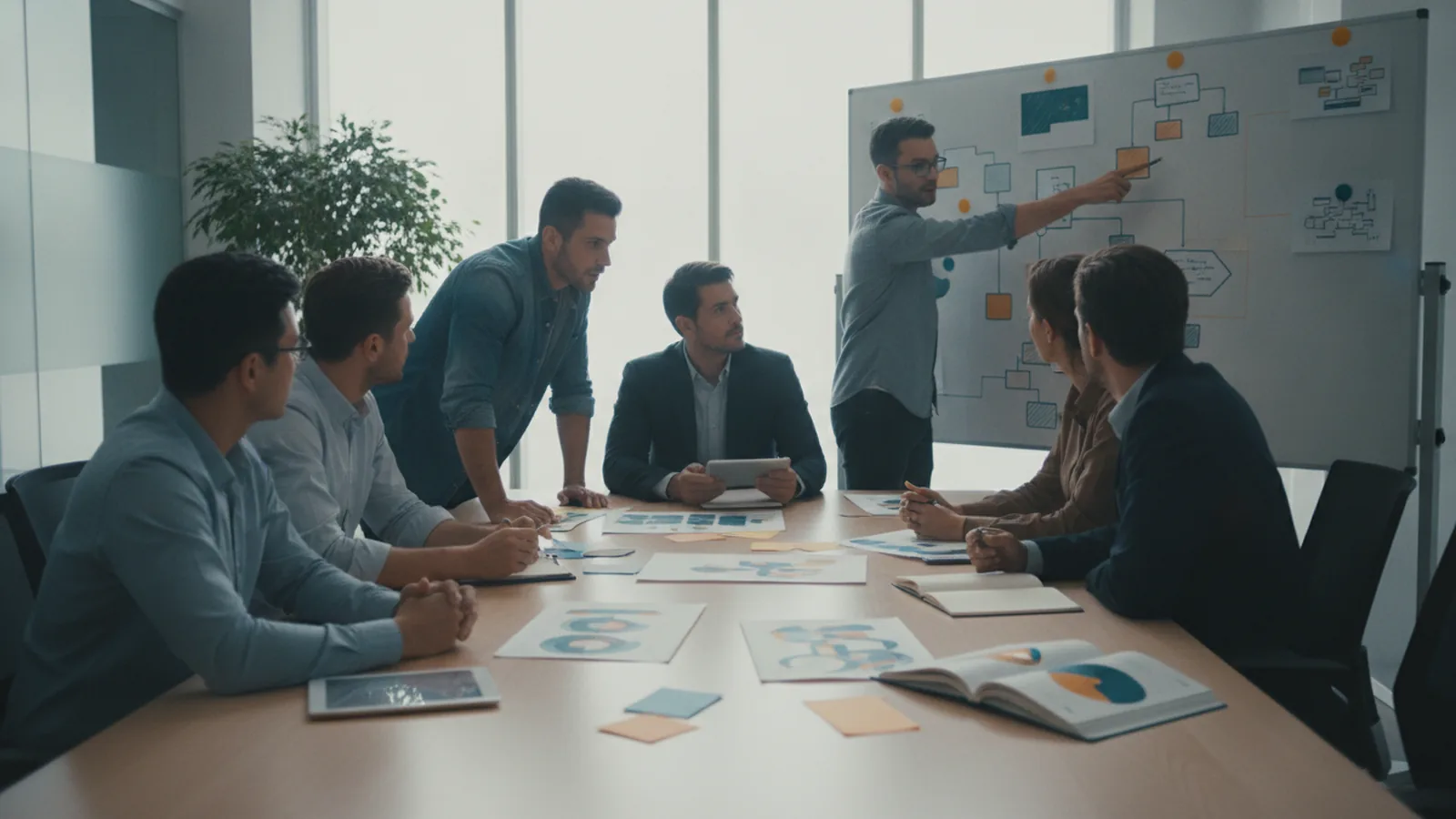
Run a branding workshop to align teams on brand vision and brand strategy. It turns mixed views into shared choices. It also gives teams a common language for brand identity and brand messaging.
When the workshop is well run, people stop guessing. They agree on what the brand stands for and why it matters. That improves team collaboration and speeds up later work.
Think of it as a decision workshop. You should plan for clear outputs, not just notes. You also need a structure that keeps the group engaged.
Defining the Purpose of the Workshop
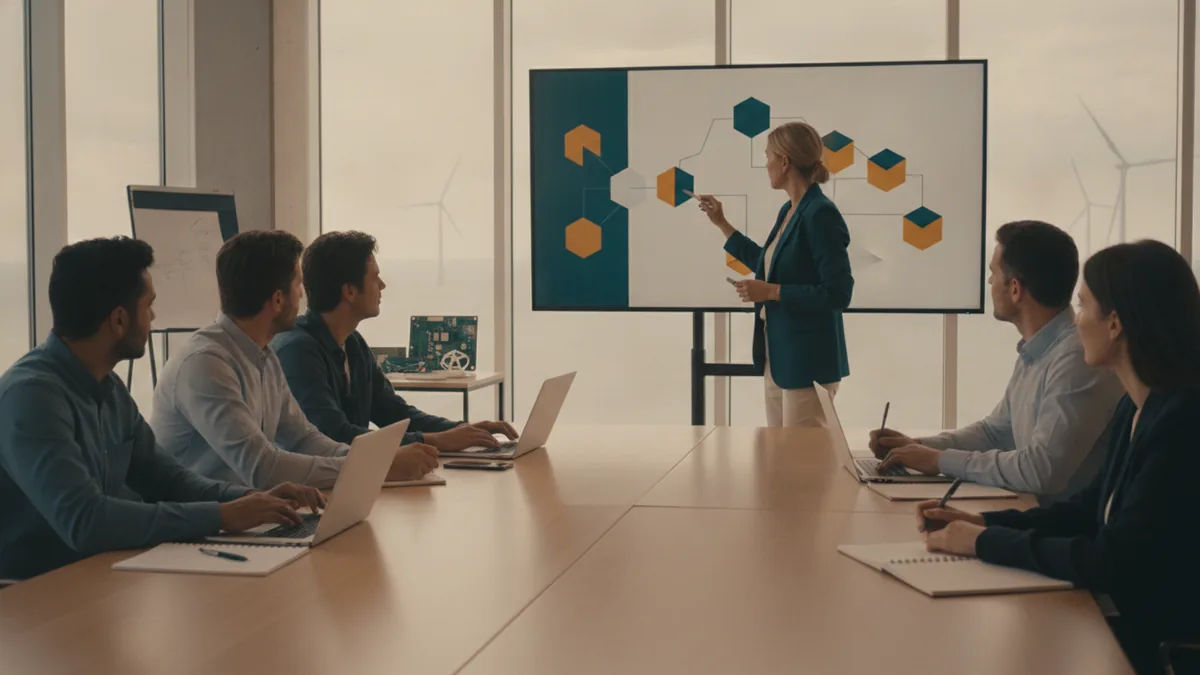
The first step is to define the purpose. If you do not, the group will drift into opinions. You will lose time and end with weak results.
Write one sentence that states what you will ship after the session. It could be a draft positioning plan or a set of customer personas. It could also be a list of key message themes.
Then set clear goals. For example, agree on one main position by day one. Or pick the top three options to test next. This helps goal setting and keeps the pace steady.
Also state what “done” means. If leadership must approve the final call, say so. If you only want ideas and inputs, say that too. Your purpose sets the scope and the time plan.
Sample purpose statements
| Purpose | Common output |
|---|---|
| Brand strategy workshop for positioning | Positioning draft, proof ideas, and key differences |
| Brand messaging workshop for a new offer | Message pillars, headline drafts, and persona value ideas |
| Brand identity direction workshop | Brand traits and main identity themes |
Essential Participants to Invite
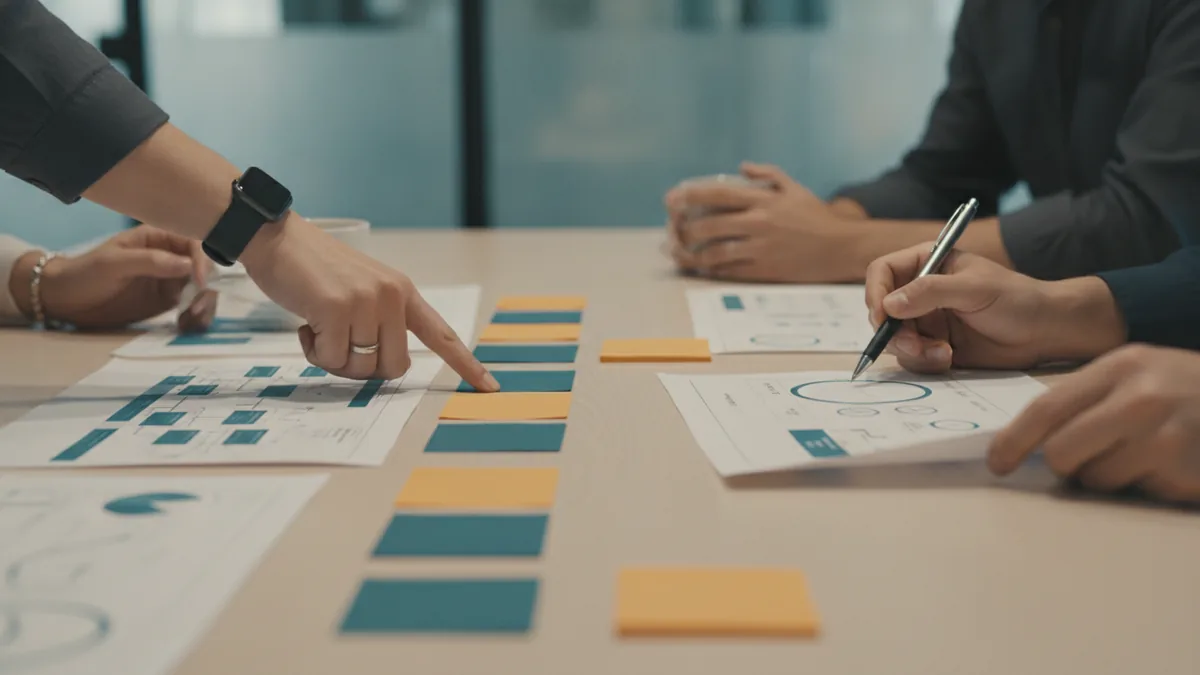
Invite people who can both guide and act. Branding can fail when leaders are absent. It can also fail when marketers cannot use the results.
Most teams should include business leaders, brand strategists, and marketing managers. Add product marketing if your message ties to product value. Add sales or customer success if you need real buyer input.
For workshop facilitation, avoid a huge crowd. In many teams, eight to twelve people is a good fit. The group stays fast and still has enough voices.
Also pick at least one “customer reality” role. That can be a lead from customer success or a support expert. They can share real objections and real needs.
Roles that make the work real
- Decision makers: leaders who can approve the final direction.
- Brand experts: people who can shape brand identity choices.
- Go-to-market people: marketing and sales who know the market path.
- Customer voices: people who hear questions and pushback.
- Builders: one owner who will ship next steps.
Choosing the Right Facilitator
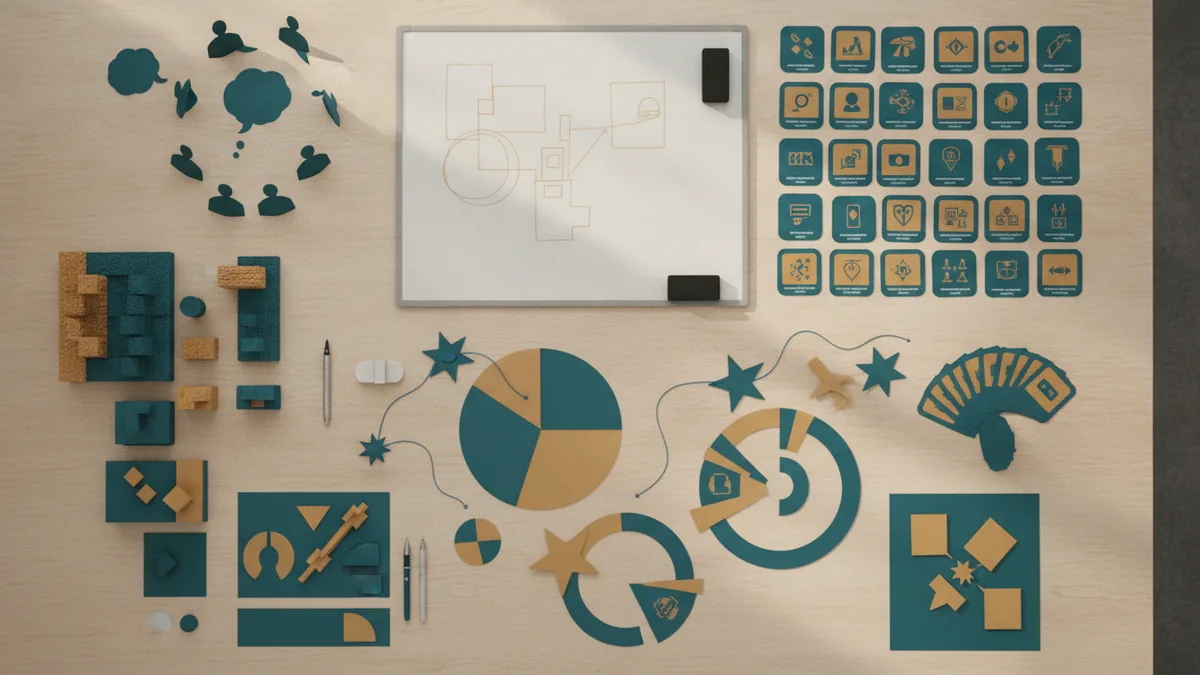
Good workshop execution starts with the right facilitator. Facilitating branding workshops is not just running time. It is also guiding debate toward decisions.
A strong facilitator keeps the team on the purpose. They help with participant engagement when some voices dominate. They also make sure quiet people still contribute.
Pick someone who can synthesize inputs fast. They should turn messy talk into clear workshop outputs. They should also know basic branding framework flow.
Ask how they handle conflict and how they track choices. A facilitator should run a decision log during the session. This keeps later follow-up clear and lets teams move without friction.
Facilitator skills that matter
- Ask tight questions that match the workshop purpose.
- Spot repeated themes and summarize them in plain terms.
- Use notes and collaboration tools to keep artifacts shared.
- Balance input across roles and levels of seniority.
- Close each block with a clear next action.
Recommended Branding Exercises
Branding exercises should match your purpose. If you need positioning, do work that clarifies “why us.” If you need messaging, do work that tests clarity for real customer personas.
Common branding exercises include SWOT analysis, brand positioning, and persona work. SWOT analysis helps you see strengths and risks. It also helps you list chances to grow.
Brand positioning turns big ideas into a clear offer story. Persona development makes your message feel real to buyers. It also helps teams pick the right tone for brand messaging.
Use a branding framework to keep the flow neat. One option is the Brand Thinking Canvas. It gives a step-by-step structure for key choices and trade-offs.
Practical set of exercises for a brand strategy workshop
- SWOT analysis with proof: list 3 to 5 points per box. Use evidence from sales, ads, or support notes.
- Brand positioning drafts: create 2 to 3 position options. Then score them for fit and clear difference.
- Customer persona development: draft 2 to 3 personas. Focus on goals, pain points, and decision triggers.
- Message map: turn the position into message themes. Add proof points that match each theme.
Timebox each block. Many teams do well with 20 to 35 minutes per exercise. Plan 15 minutes after each block for team alignment.
Exercise prompts and needed outputs
| Exercise | Facilitator prompt | Output to capture |
|---|---|---|
| SWOT analysis | “What is true, and what is the proof?” | Top strengths, risks, and growth chances |
| Brand positioning | “Who is it for, what value, and why us?” | Draft positioning lines for review |
| Customer personas | “What decisions do they make, and what blocks them?” | Persona notes with decision drivers |
Best Practices for Workshop Execution
Plan the work before the day arrives. Send a short pre-read one week in advance. Include current brand notes and customer feedback themes.
This speeds up participant engagement. It also avoids the slow start where people argue about basic facts. Then you can spend time on choices and trade-offs.
Build an agenda that alternates creation and critique. First, draft in small bursts. Then, review and improve as a group. This keeps critique from killing early momentum.
Capture the work during the session. Use collaboration tools so the whole team can see artifacts. Add a decision log with clear votes or approval notes.
Watch the room energy. If debates loop, reset to the purpose. If needed, move people into smaller groups, then recombine for synthesis.
Rules that keep outcomes sharp
- Timebox drafts: stop early and refine later.
- Use proof: ask for evidence behind big claims.
- Assign owners: set one person for each artifact.
- Link to purpose: check each block against the goal.
- Decide before polish: do not polish before alignment.
Follow-Up Actions and Implementation
Plan follow-up while the workshop is fresh. A branding workshop only matters if you act on the results. Without action, ideas fade and the team moves backward.
Draft a follow-up brief within 24 to 48 hours. Summarize the purpose, key decisions, and open questions. Add owners and dates for each next task.
Then set a review checkpoint in one to two weeks. Invite the same decision makers. Confirm the outputs are being used in real work, like site copy or campaign briefs.
Finally, store the artifacts in one place. Keep the decision log, draft drafts, and proof sources. This helps future brand identity and brand messaging work stay consistent.
Follow-up steps that make the work stick
- Publish the decision log and main workshop outputs.
- Assign owners for each actionable insight.
- Plan validation work, like tests with customers.
- Update brand identity and brand messaging docs.
- Track progress in collaboration tools until done.
Use this flow and you will learn how to run a branding workshop that creates real alignment. Your team will leave with shared brand strategy choices. You will also leave with next steps that actually ship.
Frequently asked questions
What is a branding workshop and what should it achieve?
A branding workshop aligns stakeholders on brand vision and brand strategy. It should produce clear outputs like position drafts or persona notes.
How to run a branding workshop step by step?
Start with a clear purpose and expected deliverables. Then invite the right people, run branding exercises, and end with an action plan.
Who should attend a brand strategy workshop?
Business leaders, brand strategists, and marketing managers are common core roles. Add customer-facing roles if messaging depends on real buyer needs.
What does a facilitator do during facilitating branding workshops?
They guide talk, keep time, and help people stay engaged. They also turn ideas into decisions and next steps.
Which branding exercises are most useful for brand strategy?
SWOT analysis helps set context. Brand positioning and customer persona work make your message specific and testable.
How do you make workshop outcomes last after the session ends?
Write follow-up tasks with owners and dates. Review again in one to two weeks and update the brand work that needs updates.
Share this article
Related articles

Building something similar?
Tell us about your product — we respond within one business day with a concrete next step.